Hexagonal Tiles Patterns: A Practical Guide to Choosing and Using Digital Paper for Creative Projects
When you are looking to add a touch of geometric elegance to your digital or physical crafts, hexagonal tiles patterns often come up as a top choice. The hexagon is one of the most efficient shapes in nature and design, offering a sense of structure and modernity that squares or circles sometimes lack. Whether you are a seasoned scrapbooker, a small business owner creating custom packaging, or a marketer designing a clean background for a blog post, understanding how to properly select and utilize these digital assets can save you time and elevate the quality of your final output.
This guide focuses on a specific resource: a collection of high-resolution digital papers featuring hexagonal designs. While the concept sounds simple, there are several practical considerations—ranging from file formats to licensing and application techniques—that can make or break your project. Let’s look at what you need to know before you download, unzip, and start designing.
Understanding the Value of High-Resolution Hexagonal Designs
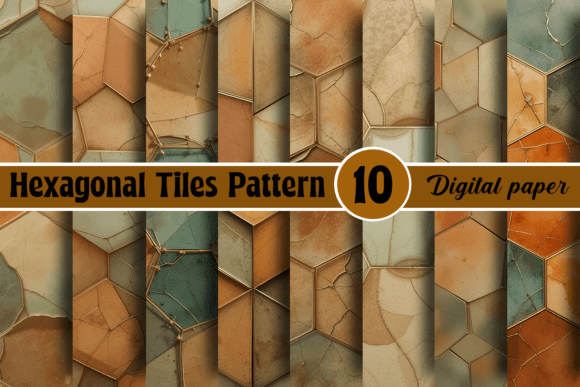
The primary appeal of purchasing a bundle of hexagonal tiles patterns lies in the versatility and quality of the files provided. In this specific case, you receive 10 JPG files in high resolution. For creators, "high resolution" is not just a marketing term; it is a functional necessity. Low-resolution images tend to pixelate when enlarged, which ruins the crisp edges of geometric shapes like hexagons. By ensuring you have high-quality source files, you guarantee that your designs remain sharp whether they are printed on a small gift tag or projected on a large screen.
These digital papers are designed to meet a wide array of creative needs. They serve as excellent backgrounds for junk journals, providing a textured yet non-distracting base for photos and handwritten notes. For scrapbookers, the repeating pattern adds depth without overwhelming the focal points of your layout. Furthermore, entrepreneurs and marketers can leverage these patterns for sublimation backgrounds, social media headers, or even website elements. The key here is adaptability; a good digital paper works seamlessly across different mediums.
Common Misconceptions About Digital Downloads
One of the most frequent misunderstandings among new buyers is assuming that a digital purchase includes physical items. It is crucial to remember that this is a digital download only. No physical sheets of paper will be shipped to your address. This distinction affects how you plan your workflow. You must have access to a computer capable of handling compressed files and a printer or digital editing software if you intend to use them physically or digitally.
Another common oversight involves the file format. While JPG is a widely supported format, it has limitations compared to PNG. JPG uses lossy compression, which can sometimes introduce artifacts around sharp edges, especially if the image is saved multiple times. However, for many applications like printing or web backgrounds, high-quality JPGs are perfectly adequate. If you require transparency (no background), you would typically need PNG files, but for solid-patterned digital papers, JPG remains a standard and efficient choice.
Troubleshooting and Best Practices for Usage
Even with high-quality files, users can encounter issues if they do not follow basic technical steps. Here is how to avoid common pitfalls and ensure your hexagonal tiles patterns look their best.
- Unzipping Files Correctly: After purchase, you will likely receive a .zip file. You cannot open or edit these files directly. You need a computer to unzip them first. On Windows, right-click the file and select "Extract All." On Mac, double-click the file to extract it automatically. If you try to open a zip file in Photoshop or Word without extracting it first, you will get an error message.
- Checking Software Compatibility: Ensure your design program supports JPG files. Most major applications like Adobe Photoshop, Illustrator, Canva, Microsoft Publisher, and even free online editors handle JPGs effortlessly. If you are using older or specialized software, verify compatibility beforehand to avoid frustration.
- Seamless Tiling vs. Single Images: When using hexagonal patterns for backgrounds, you want the pattern to repeat seamlessly. Some digital papers are sold as single images meant to be placed once, while others are seamless textures meant to be repeated. Check the product description to see if the hexagonal pattern is tileable. If it is not, you may end up with visible seams in your background design.
Avoiding Quality Loss in Printing
If you plan to print these digital papers for scrapbooking or junk journaling, resolution is critical. A general rule of thumb for high-quality printing is 300 DPI (dots per inch). If your downloaded JPG is not 300 DPI at the size you intend to print, the result may appear blurry or grainy. Before committing to a large print run, always create a test page. Print a small section of the hexagonal pattern and zoom in to check for pixelation. This small step can prevent wasted paper and ink.
Additionally, consider the color profile. Screens use RGB (Red, Green, Blue) color models, while printers use CMYK (Cyan, Magenta, Yellow, Key/Black). Colors that look vibrant on your monitor may appear slightly duller when printed. If precise color matching is important for your brand or project, calibrate your monitor and consult with your printer about color profiles. While this bundle provides beautiful visual assets, the translation from screen to paper requires a bit of adjustment.
Maximizing Creativity with Hexagonal Themes
Once you have successfully downloaded and prepared your files, the real fun begins. Hexagonal patterns offer unique opportunities for layering and composition. Because the shape is angular yet organic, it pairs well with both minimalist and busy designs.
For junk journal enthusiasts, try using the hexagonal paper as a backing for ticket stubs, dried flowers, or washi tape strips. The geometric lines can help anchor chaotic elements, creating a balanced look. You can also cut out individual hexagons from the digital paper to create frames for photos within your journal.
For small business owners, these patterns are ideal for creating cohesive branding materials. Imagine a hexagonal pattern used subtly in the background of an invoice, a thank-you card included in shipping packages, or a banner for an Etsy shop. Consistency in design builds trust and professionalism. By using the same hexagonal motif across various touchpoints, you create a recognizable visual identity.
In the realm of sublimation, hexagonal tiles can provide a dynamic backdrop for t-shirts, mugs, and phone cases. The repeating nature of the pattern ensures that no matter how the item is curved or viewed, the design remains intact. Just ensure that your sublimation printer and transfer paper are compatible with the JPG file dimensions you are working with.
Final Considerations Before You Start
Before diving into your next project, take a moment to review the specifics of the bundle you purchased. Confirm that you have the necessary tools—a computer for unzipping and a design program for editing. Verify that the resolution meets your printing or display needs. And remember, while these digital assets provide a strong foundation, your creativity is what brings them to life.
By avoiding common technical errors and understanding the strengths of high-resolution digital papers, you can produce professional-looking results with minimal hassle. Whether you are crafting a personal keepsake or building a commercial brand, hexagonal tiles patterns offer a reliable and stylish solution. Enjoy the process, experiment with different layouts, and let your designs shine.