Evaluating Dainty Shapes Digital Paper Patterns: A Practical Guide to High-Resolution Design Assets
In the evolving landscape of digital design and print-on-demand services, the quality of foundational assets often dictates the success of a final product. Among the various resources available to creators, Dainty Shapes Digital Paper Patterns have emerged as a specific category of high-resolution downloadable files that cater to both physical production and digital application needs. Understanding the technical specifications, use cases, and limitations of these patterns is essential for designers, crafters, and entrepreneurs who are evaluating their toolkits.
This analysis explores what makes these particular digital paper patterns distinct, how they compare to broader categories of stock imagery, and who benefits most from incorporating them into their workflow. The focus remains on the practical application of 3500x3500 pixel JPG files at 300 DPI, offering a clear perspective on value and utility.
Technical Specifications and Quality Standards
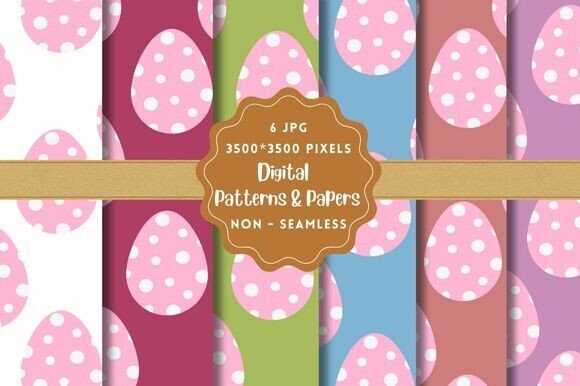
The primary differentiator for any digital asset in professional workflows is its resolution and format. Dainty Shapes Digital Paper Patterns are typically distributed as high-resolution JPG files with dimensions of 3500 by 3500 pixels. This square format is particularly versatile, accommodating a wide range of aspect ratios when cropped or scaled appropriately. However, the true value lies in the density of the image data.
At 300 DPI (dots per inch), these patterns meet the industry standard for high-quality printing. To put this in perspective, a 3500x3500 pixel image can be printed at approximately 11.6 inches by 11.6 inches without any visible pixelation or loss of clarity. For larger formats, such as posters or wall art, the pattern can often be tiled seamlessly if the source file supports it, allowing for scalable designs that maintain integrity across different media.
- File Format: JPG (JPEG) is universally compatible but lacks transparency. This means users must work within the boundaries of the solid background provided in the pattern.
- Resolution: 3500x3500 pixels ensures sharpness for both screen display and medium-format printing.
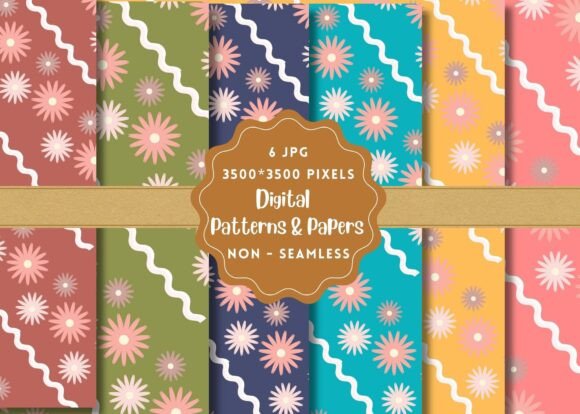
- Quantity: Packages often include six distinct downloadable patterns, providing variety for diverse projects without requiring multiple separate purchases.
Comparing Digital Patterns to Traditional Stock Imagery
When researching design resources, consumers often compare specialized pattern packs against general stock photography or vector libraries. While stock photos offer realistic depictions, they lack the repetitive, seamless nature required for surface design. Conversely, generic vector libraries may offer scalability but sometimes lack the aesthetic cohesion found in curated pattern sets like those from Dainty Shapes.
The Advantage of Curated Aesthetics
One significant benefit of using a dedicated set like Dainty Shapes Digital Paper Patterns is the cohesive visual language. When designing a collection—such as a line of greeting cards, a series of tote bags, or a scrapbooking kit—consistency is key. Randomly sourced images often clash in tone, color palette, or style. Pre-curated pattern sets ensure that all elements share a harmonious look and feel, reducing the time spent on color correction and stylistic adjustments.
Limitations Compared to Vector Graphics
It is crucial to acknowledge the tradeoffs. Because these assets are raster-based JPGs, they cannot be scaled infinitely without losing quality, unlike vector graphics (SVG/EPS). If a designer needs to resize a single element within the pattern—for example, enlarging just one flower motif—the pixel-based nature of the JPG will result in blurriness. Therefore, while excellent for full-surface backgrounds, these patterns are less suitable for designs requiring heavy manipulation of individual components within the pattern itself.
Practical Applications Across Industries
The versatility of 3500x3500 pixel high-resolution patterns allows them to serve multiple industries. Below is an evaluation of common use cases where these assets provide tangible value.
Physical Product Manufacturing
For small business owners in the print-on-demand space, Dainty Shapes Digital Paper Patterns are ideal for creating products such as:
- Notebooks and Journals: The square format fits perfectly with many notebook covers, while the 300 DPI resolution ensures crisp edges when bound.
- Totes and Apparel: Large-scale prints require high resolution to avoid "mosaic" effects on fabric. These patterns provide the necessary detail for large-format textile printing.
- Wall Art and Posters: The ability to tile these patterns allows for expansive wall décor that maintains visual interest even at close range.
- Greeting Cards: The intricate details of dainty shapes translate well to smaller card sizes, adding a premium feel to stationery.
Digital Design and Social Media
Beyond physical goods, these patterns are highly effective for digital templates. With dimensions of 3500 pixels on each side, the files are more than sufficient for high-definition social media posts, website headers, and email newsletter backgrounds. The JPG format ensures compatibility with almost all design software, from Adobe Photoshop to Canva, making them accessible to users of varying technical skill levels.
Decision Factors: When to Choose This Resource
Selecting the right digital asset depends on specific project requirements. Here is a breakdown of scenarios where Dainty Shapes Digital Paper Patterns represent a strong choice, versus situations where alternative resources might be preferable.
Ideal Scenarios
These patterns are best suited for users who need ready-to-use, aesthetically pleasing backgrounds for surface design. They are particularly valuable for:
- Scrapbookers: Users looking for immediate, high-quality papers for digital or physical scrapbooking layouts.
- Gift Wrapping Designers: The seamless nature of the patterns makes them perfect for wrapping paper designs that need to repeat flawlessly.
- Quick Turnaround Projects: When time is limited, having a pre-made set of six coordinated patterns eliminates the need to search for and edit multiple disparate images.
Alternative Considerations
There are instances where other tools may be more appropriate. If a project requires transparent backgrounds—allowing the pattern to sit over another image or color—JPG files are not suitable; PNG or SVG formats would be required. Additionally, if the design intent involves manipulating individual elements of the pattern (e.g., moving a specific shape to a different location), vector-based assets would offer greater flexibility. Finally, for extremely large format printing beyond 24 inches without tiling, users should verify the specific tiling capabilities of the pattern pack, as some raster patterns may show seams if not designed for infinite repetition.
Evaluating Value and Long-Term Utility
From a cost-benefit perspective, purchasing a bundle of six high-resolution patterns offers better value than buying individual assets, especially when considering the time saved in sourcing and editing. The inclusion of 3500x3500 pixel files future-proofs the assets, ensuring they remain usable as display resolutions continue to increase.
Furthermore, the dual-use capability—supporting both physical items and digital templates—maximizes the return on investment. A single purchase can fuel a product line of physical goods while simultaneously supporting a brand’s digital presence through website graphics or social media content.
Conclusion on Suitability
Dainty Shapes Digital Paper Patterns occupy a specific niche in the digital asset market, balancing ease of use with professional-grade resolution. They are not a universal solution for every design challenge, particularly where transparency or vector scalability is required. However, for creators focused on surface design, print-on-demand products, and digital backgrounds, they provide a reliable, high-quality foundation.
By understanding the technical constraints of JPG formats and leveraging the strengths of high-resolution raster images, users can effectively integrate these patterns into their workflows. Whether producing physical notebooks, digital wallpapers, or decorative wall art, these patterns offer a practical, aesthetically coherent option for those seeking to elevate their design output without starting from scratch.