Evaluating Dark Blue Colors the Geometric Patterns for Professional Design Projects
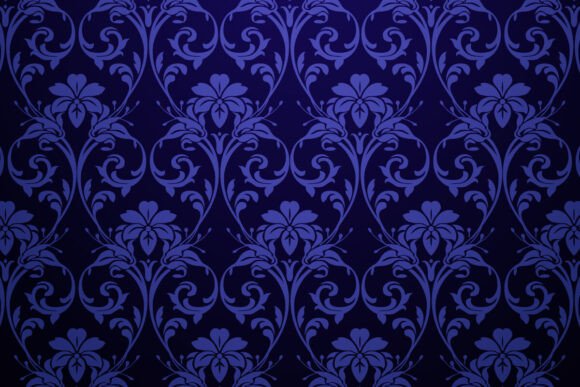
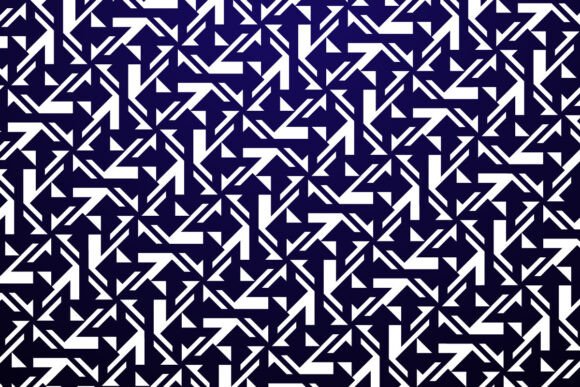
In the landscape of modern graphic design, the selection of background textures and abstract patterns plays a critical role in establishing visual hierarchy and brand identity. Among the various aesthetic options available, Dark Blue Colors the Geometric Patterns has emerged as a versatile and sophisticated choice for designers seeking depth, structure, and professional polish. This specific style combines the psychological weight and stability associated with dark blue hues with the precise, orderly nature of geometric abstraction. For professionals working across digital interfaces, print media, and textile applications, understanding the technical specifications and creative potential of this pattern is essential for making informed design decisions.
The appeal of Dark Blue Colors the Geometric Patterns lies not just in its visual impact but in its adaptability. Unlike organic or chaotic patterns that can distract from primary content, geometric structures provide a subtle framework that guides the eye without overwhelming it. The use of dark blue tones further enhances this effect, offering a sense of trust, authority, and calmness—qualities highly valued in corporate branding, educational materials, and high-end packaging. However, to fully leverage these assets, designers must evaluate their technical attributes, such as resolution, vector scalability, and file format compatibility, ensuring they align with project requirements.
Technical Specifications and Workflow Integration
One of the most significant advantages of utilizing pre-made vector assets like Dark Blue Colors the Geometric Patterns is the level of technical control they offer. High-quality design resources are typically delivered in resolutions of 300 dpi, which is the industry standard for print production. This ensures that when the pattern is applied to physical products such as book covers, fabric swatches, or packaging boxes, the edges remain crisp and the colors do not pixelate. For web-based applications, while screen resolution differs, starting with a high-fidelity source allows designers to downscale effectively without losing detail.
Furthermore, the fact that these graphics are 100% vector and fully editable transforms them from static images into dynamic design tools. Vector files maintain their mathematical precision regardless of size, meaning a designer can expand a small logo element into a full-page wallpaper without any loss of quality. This editability extends beyond mere scaling; it includes the ability to modify individual shapes and color palettes. In a practical workflow, this means a designer can take a standard dark blue geometric pattern and adjust the hue to match a specific brand guideline, or alter the density of the geometry to create varying levels of opacity for text overlays.
The availability of multiple file formats—including Adobe Illustrator CC, EPS Version 10, and PDF—ensures broad compatibility across different software ecosystems. Adobe Illustrator CC users benefit from native layer organization, allowing for non-destructive editing. EPS Version 10 provides robust compatibility for older systems or integration with desktop publishing software like InDesign. Meanwhile, PDF versions serve as reliable backups or shareable previews that preserve vector integrity. This multi-format approach reduces friction in collaborative environments where team members may be using different design stacks.
Creative Applications Across Media
The versatility of Dark Blue Colors the Geometric Patterns allows it to function effectively across a wide spectrum of media types. Its structured nature makes it particularly well-suited for backgrounds where copy space is required. Because the pattern is repetitive and balanced, it does not compete with foreground elements such as typography or product photography. This makes it an ideal candidate for web page headers, slide decks, and brochure layouts where readability is paramount.
In the realm of textiles and fabrics, the seamless nature of the pattern is crucial. A seamless tile ensures that the design repeats without visible seams or interruptions, creating a continuous flow that is essential for apparel, upholstery, and interior design surfaces. The dark blue base provides a neutral yet rich canvas that can complement a variety of material textures, from matte cottons to glossy silks. When used in packaging, the geometric precision conveys a sense of engineering excellence and reliability, often associated with technology, finance, or pharmaceutical industries.
For digital interfaces, the pattern can be utilized to add depth to flat design aesthetics. By applying the pattern with reduced opacity over solid dark blue fields, designers can create subtle gradients and shadows that enhance user interface (UI) elements. This technique adds sophistication without cluttering the screen. Additionally, the lack of watermarks in the source files allows for unrestricted commercial use, giving designers the freedom to experiment with bold placements and large-scale applications without legal concerns.
Comparative Analysis: Vector vs. Raster Alternatives
When evaluating design resources, one common decision point is choosing between vector-based patterns and raster-based alternatives. Raster images, composed of pixels, are limited by their resolution. If a raster version of a geometric pattern is enlarged beyond its original dimensions, it becomes blurry or blocky. In contrast, Dark Blue Colors the Geometric Patterns, being 100% vector, offers infinite scalability. This distinction is vital for projects that require large-format printing, such as billboards or trade show displays, where raster images would fail to deliver the necessary clarity.
Another consideration is editability. Raster patterns are difficult to modify; changing a single shape often requires complex masking or repainting techniques. With vector files, every component is an independent object. A designer can isolate a specific geometric element, rotate it, change its fill color, or delete it entirely to customize the density and mood of the pattern. This level of granular control is impossible with standard JPEG or PNG files, making vector assets a superior long-term investment for brands that need consistent yet adaptable visual identities.
Tradeoffs and Decision Factors
While the benefits of Dark Blue Colors the Geometric Patterns are substantial, there are tradeoffs to consider. The rigid structure of geometric designs may not suit projects aiming for an organic, hand-crafted, or whimsical aesthetic. In such cases, a fluid, painterly, or irregular pattern might better convey the desired emotional tone. Additionally, the dominance of dark blue requires careful handling of contrast. Light-colored text placed directly over dense geometric patterns can suffer from reduced legibility if the pattern’s contrast is too high. Designers must often employ semi-transparent overlays or reduce the pattern’s opacity to ensure accessibility and readability standards are met.
File size management is another practical factor. While vector files are efficient in terms of resolution, complex geometric patterns with numerous anchor points can result in larger file sizes compared to simple solid colors. This can impact loading times for web applications if not optimized correctly. However, the ease of editing and the high-quality output usually justify the initial setup time. For designers who prioritize flexibility and print readiness, the additional effort to manage vector assets is a worthwhile tradeoff.
Conclusion on Suitability
Dark Blue Colors the Geometric Patterns represents a strong option for designers seeking a blend of professionalism, adaptability, and technical precision. Its high-resolution vector nature, combined with the psychological resonance of dark blue, makes it suitable for a wide range of commercial and editorial applications. Whether used for wallpaper, web backgrounds, or textile prints, the pattern’s seamless and editable qualities provide a solid foundation for creative exploration. For those prioritizing clean lines, brand consistency, and print-ready quality, this resource offers significant value. Conversely, projects requiring organic warmth or extreme minimalism might benefit from exploring alternative styles. Ultimately, the choice depends on the specific communicative goals of the project, but the technical robustness of this pattern ensures it remains a reliable tool in the modern designer’s toolkit.