Dainty Nursery Digital Paper Patterns: A Strategic Asset for Creators and Small Business Owners
In the competitive landscape of digital content creation and small business operations, visual consistency is not merely an aesthetic choice; it is a fundamental component of brand identity and user experience. For entrepreneurs, educators, and hobbyists alike, the ability to produce high-quality, cohesive visual materials can significantly impact market positioning and customer perception. This is where specialized assets like Dainty Nursery Digital Paper Patterns become strategically valuable. These are not just decorative images; they are high-resolution digital tools designed to streamline production workflows while elevating the perceived value of physical and digital products.
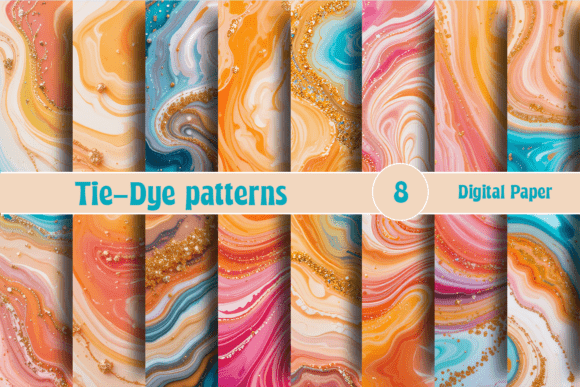
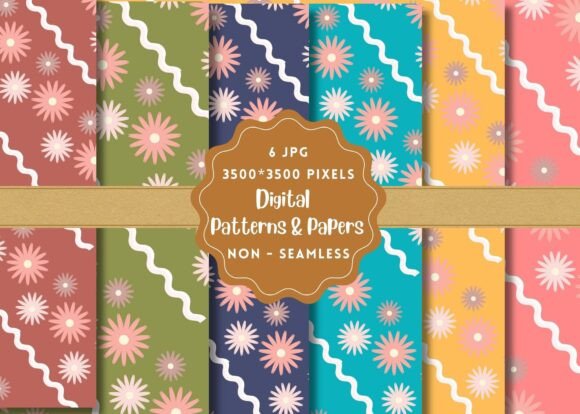
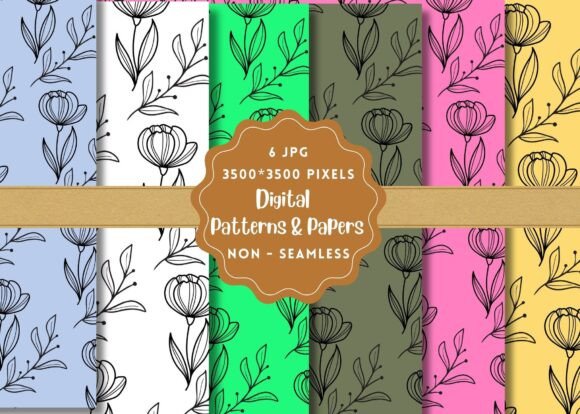
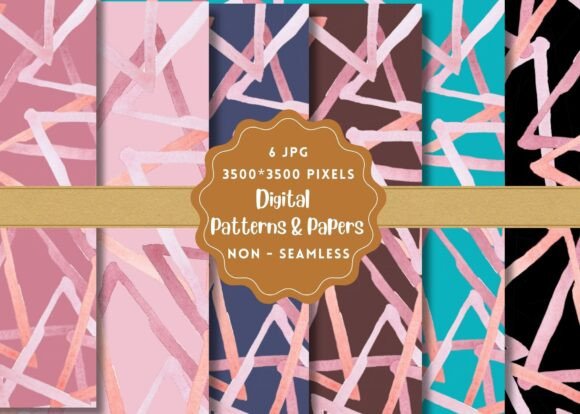
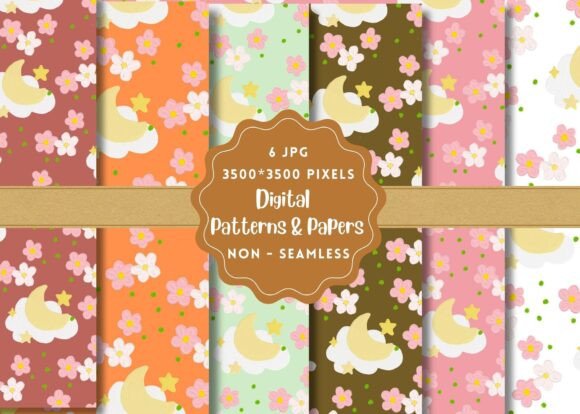
The specific offering in question—a set of six downloadable pattern JPGs at 3500 x 3500 pixels with 300 DPI resolution—represents a significant upgrade from standard web-resolution graphics. Understanding how to leverage these assets requires moving beyond simple usage and adopting a strategic approach to design, branding, and operational efficiency. This analysis explores how such digital paper patterns can be integrated into broader business strategies, from print-on-demand models to educational resource development, ensuring that every visual element serves a clear purpose.
Technical Specifications as a Foundation for Quality
Before examining the creative applications, it is essential to understand why the technical specifications of Dainty Nursery Digital Paper Patterns matter. In both digital and physical media, resolution dictates clarity, scalability, and professional polish. The provided 3500 x 3500 pixel dimensions at 300 DPI ensure that these patterns are suitable for large-format printing without pixelation or blurring. This level of detail is critical for professionals who cannot afford returns due to poor print quality or negative reviews stemming from low-resolution visuals.
- High Resolution (300 DPI): Ensures crisp edges and smooth gradients, which is non-negotiable for wall art, posters, and greeting cards where customers expect premium quality.
- Large Dimensions (3500px): Allows for cropping and resizing flexibility. A creator can extract a smaller section for a notebook cover while retaining the full pattern for background use, maximizing the utility of a single purchase.
- JPG Format Compatibility: As universally supported files, these patterns integrate seamlessly into major design software suites, reducing technical friction and allowing creators to focus on execution rather than file conversion issues.
By securing assets with these robust specifications, decision-makers reduce the risk of rework. There is no need to upscale low-quality images, which often results in artifacts and loss of detail. Instead, the workflow begins with a superior foundation, leading to faster turnaround times and higher satisfaction rates among end-users.
Strategic Applications Across Multiple Verticals
The versatility of Dainty Nursery Digital Paper Patterns allows them to serve diverse audiences, each with distinct goals and operational needs. Rather than viewing these patterns solely as "nursery decor," savvy practitioners recognize their potential across various sectors including education, e-commerce, and personal branding.
Print-on-Demand and E-Commerce Optimization
For small business owners operating in the print-on-demand space, margin optimization and product differentiation are key challenges. Using high-quality digital papers allows for rapid prototyping of new products. A creator can apply these patterns to tote bags, notebooks, and gift wrapping paper with minimal overhead. The "dainty" aesthetic appeals to a broad demographic seeking soft, sophisticated, and calming visual themes, which aligns with current trends in wellness and mindful living.
Furthermore, because the patterns are seamless and high-resolution, they can be tiled infinitely across product mockups. This enables marketers to create compelling lifestyle imagery for social media campaigns without needing expensive photoshoots for every single variation. By rotating through the six available patterns, a brand can maintain a fresh feed presence while adhering to a consistent color palette and style guide.
Educational Materials and Digital Templates
Educators and instructional designers often struggle to create engaging materials that do not appear cluttered or childish. Dainty Nursery Digital Paper Patterns offer a solution by providing subtle, elegant backgrounds that enhance readability and focus. When used in digital templates for planners, worksheets, or classroom decorations, these patterns add a layer of professionalism that encourages student engagement.
Consider a teacher creating a digital planner for parents. By using one of these patterns as a header background, the document gains immediate visual hierarchy and brand recognition. Similarly, freelancers designing curriculum guides can use these textures to break up text-heavy pages, improving cognitive load and making information more digestible for learners.
Branding and Customer Experience
Consistency builds trust. For bloggers and publishers, having a library of high-quality, thematic digital assets ensures that all touchpoints—from blog post headers to email newsletter footers—reflect the same brand voice. If a brand’s niche involves parenting, home organization, or gentle parenting philosophies, incorporating Dainty Nursery Digital Paper Patterns into their visual identity reinforces their message of care, attention to detail, and aesthetic refinement.
This strategic alignment extends to customer experience. When a customer receives a printed item wrapped in paper featuring a matching pattern from the brand’s digital suite, the unboxing experience becomes part of the product value. It signals that the business cares about the details, fostering loyalty and encouraging word-of-mouth referrals.
Operational Efficiency and Workflow Integration
Adopting a systematic approach to using digital assets is crucial for maintaining productivity. Relying on random or inconsistent visuals can lead to brand dilution and increased time spent on design adjustments. To maximize the return on investment for Dainty Nursery Digital Paper Patterns, creators should establish clear protocols for their usage.
- Audit Existing Assets: Before integrating new patterns, review current brand guidelines. Ensure the colors and styles of the nursery patterns complement existing logos and typography.
- Create Template Libraries: Do not start from scratch for every project. Build pre-designed templates in your preferred design software that already incorporate these patterns. This reduces setup time and ensures consistency across multiple projects.
- Test Across Mediums: Verify how the patterns look on different substrates. A pattern that looks excellent on a digital screen may behave differently on fabric or matte paper. Conduct small batch tests before launching large-scale print runs.
By treating these digital papers as core components of a larger design system, businesses can scale their output without compromising quality. This operational discipline is particularly important for solopreneurs and small teams who must wear multiple hats. Automating repetitive design tasks through template reuse frees up mental energy for strategic planning and customer engagement.
Risks and Considerations in Usage
While the benefits are substantial, there are potential pitfalls if these assets are used without clear intent. One common mistake is over-saturation. Using heavy patterns behind dense text can reduce legibility and frustrate users. Designers must balance visual appeal with functional clarity. Always ensure sufficient contrast between the pattern and foreground elements.
Another consideration is market saturation. Because nursery-themed designs are popular, relying exclusively on generic aesthetics may make it difficult to stand out. To mitigate this, combine the Dainty Nursery Digital Paper Patterns with unique typography, custom illustrations, or personalized messaging. The pattern should serve as a supporting actor, not the sole protagonist of the design.
Additionally, always verify licensing terms. While many digital paper sets allow for commercial use, restrictions may apply regarding resale of the raw files themselves. Ensure that your intended use case—whether it is selling finished goods or using them as internal branding elements—complies with the provider’s agreement. Clear legal grounding prevents costly disputes and protects long-term business viability.
Long-Term Value and Decision Making
Investing in high-quality digital assets is a forward-thinking strategy. Unlike fleeting trends, classic dainty patterns tend to have longer shelf lives, allowing for sustained use across seasons and years. This longevity supports sustainable business practices by reducing the frequency of asset purchases and minimizing waste associated with obsolete designs.
For decision-makers, the choice to utilize Dainty Nursery Digital Paper Patterns should be driven by a clear understanding of target audience preferences and brand objectives. Ask yourself: Does this aesthetic align with my brand values? Will my customers perceive this as adding value to the product? How does this fit into my overall content strategy?
When answered thoughtfully, these questions reveal that digital patterns are more than just background images. They are tools for communication, branding, and operational efficiency. By integrating them intentionally, creators can enhance their products, streamline their workflows, and build stronger connections with their audiences. The result is not just a visually pleasing outcome, but a strategically sound business decision that contributes to long-term growth and success.
In conclusion, the strategic application of Dainty Nursery Digital Paper Patterns offers a powerful advantage for those looking to elevate their creative output. With high-resolution specs, versatile applications, and a timeless aesthetic, these assets provide a solid foundation for building brands, creating educational materials, and developing profitable print-on-demand lines. By approaching their use with intentionality and respect for design principles, professionals can transform simple digital files into meaningful experiences that resonate with customers and drive measurable results.