Unlocking Creative Potential with Plant Digital Paper Patterns
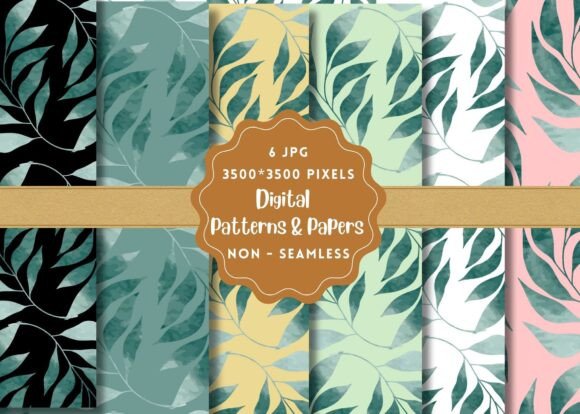
The intersection of nature-inspired aesthetics and digital utility has given rise to a versatile resource for creators across multiple industries: Plant Digital Paper Patterns. These high-resolution assets are not merely decorative images; they are foundational tools that bridge the gap between traditional botanical illustration and modern digital fabrication. By leveraging specific technical specifications, such as 3500x3500 pixel dimensions and 300 DPI resolution, these patterns offer unparalleled clarity and scalability. This article explores the practical applications, technical advantages, and creative workflows associated with using high-quality plant-based digital paper patterns in both physical production and digital design.
Understanding the Technical Specifications
Before diving into application, it is crucial to understand what constitutes a premium digital pattern file. The term "Plant Digital Paper Patterns" often refers to a curated collection of seamless or standalone designs featuring foliage, flowers, stems, or abstract botanical arrangements. The value proposition lies heavily in the file attributes.
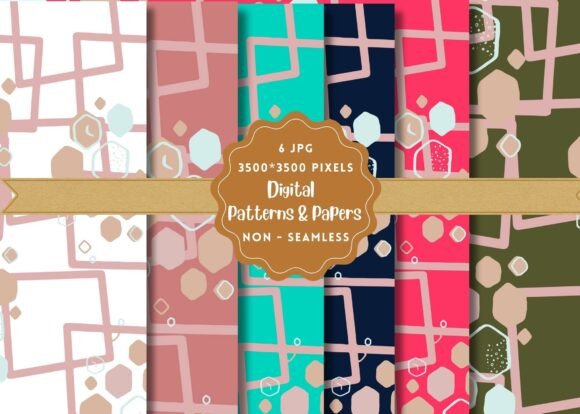
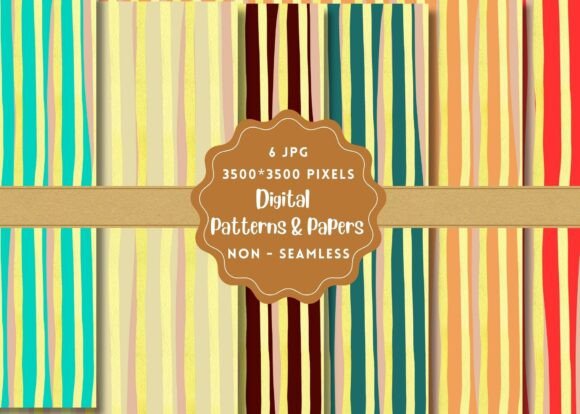
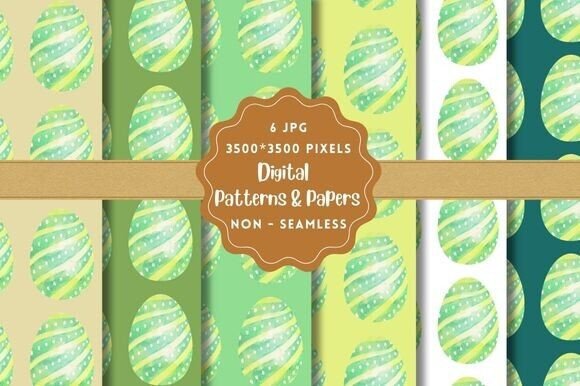
A standard requirement for professional-grade digital assets is High Resolution 300 DPI (Dots Per Inch). In the context of printing, 300 DPI is the industry gold standard for ensuring that text and graphics appear sharp and free from pixelation when viewed at normal reading distances. When paired with a dimension of 3500 x 3500 pixels, these files provide a substantial canvas. For instance, at 300 DPI, a 3500-pixel width translates to approximately 11.6 inches of printable area without quality loss. This size is ideal for medium-format prints, large greeting cards, and detailed textile transfers.
Furthermore, the format itself matters. These assets are typically provided as Downloadable Pattern JPG files. While vector formats (like SVG or AI) allow for infinite scaling without resolution loss, high-resolution JPEGs offer immediate usability for raster-based software like Adobe Photoshop, Procreate, or Canva. They are universally compatible and require no specialized font or path rendering engines, making them accessible to a broader audience of hobbyists and professionals alike.
Diverse Applications in Physical Product Creation
One of the most significant advantages of utilizing Plant Downloadable Digital Patterns Papers is their adaptability to physical merchandise. The trend toward personalized and eco-conscious consumer goods has surged, creating a demand for unique, nature-themed designs on tangible items.
Textiles and Apparel
For fashion designers and crafters, these patterns serve as excellent templates for fabric printing. Whether using direct-to-garment (DTG) printing or sublimation on polyester blends, the 3500x3500 pixel resolution ensures that intricate leaf veins and petal textures remain distinct even when scaled up for dresses, shirts, or scarves. Creators can use these patterns to produce limited-edition collections that emphasize organic beauty and sustainability.
Packaging and Gift Wrapping
In the realm of retail and small business ownership, presentation is paramount. Gift wrapping paper designed with elegant plant motifs adds a layer of sophistication to any product. Because the patterns are downloadable and digital, entrepreneurs can print custom wrapping solutions on demand, reducing inventory waste and allowing for seasonal variations—such as switching from lush green ferns in summer to delicate winter berries in December.
Stationery and Print-on-Demand
The stationery market is vast, encompassing everything from business cards to wedding invitations. Greeting cards featuring minimalist line-art plants or vibrant watercolor-style foliage can command higher price points due to their perceived artistic value. Similarly, notebooks and journals benefit from durable, visually appealing covers. By applying these digital papers to cover designs, creators can differentiate their products in a crowded marketplace. Additionally, print on demand services allow sellers to upload these patterns directly to platforms like Redbubble or Society6, generating passive income through posters, phone cases, and tote bags without holding physical stock.
Digital Design and Background Utility
While physical applications are prominent, the utility of Plant Digtial Paper Patterns extends deeply into the digital workspace. In an era where screen time dominates, visual comfort and aesthetic pleasure are key components of user experience design.
Digital Backgrounds and Interfaces
Content creators, bloggers, and social media managers frequently seek engaging backdrops for their posts. A high-resolution plant pattern can serve as a subtle yet effective background for Instagram stories, YouTube thumbnails, or website headers. The 300 DPI resolution ensures that these images look crisp on high-density displays, such as Retina screens or OLED monitors. Unlike low-quality web images that may appear blurry or compressed, these premium assets maintain their integrity across various devices.
Digital Scrapbooking and Planners
The digital planning community has grown exponentially, with users organizing their lives in apps like GoodNotes or Notability. Digital backgrounds featuring botanical themes provide a calming, organized feel to virtual planners. Educators and students can also utilize these patterns to create visually stimulating learning materials, worksheets, or presentation slides that break the monotony of plain white pages.
Considerations for Implementation
To maximize the potential of these digital assets, creators must adhere to best practices regarding usage and technical execution. Understanding the limitations and capabilities of the file format is essential for achieving professional results.
- Seamlessness vs. Standalone: It is important to verify whether the downloaded pattern is a seamless tile (which repeats infinitely without visible edges) or a standalone image. Seamless patterns are ideal for full-page designs like wallpaper or fabric, while standalone images work better for focal points like greeting card centers.
- Color Profiles: Digital screens use RGB color models, while printers use CMYK. When preparing Plant Downloadable Digital Patterns Papers for physical output, designers should convert the color profile to CMYK to ensure that the greens and reds do not shift unexpectedly during the printing process. Many high-res JPGs are provided in sRGB, which requires adjustment for professional print shops.
- Licensing and Usage Rights: Always review the terms of service associated with the download. Some licenses permit personal use only, while others allow commercial exploitation, such as selling printed products. Ensuring compliance protects businesses from legal issues and supports the original artists who created the Plant Digtial Paper Patterns.
- Layering and Editing: Although JPGs are flattened images, they can be manipulated in editing software. Creators can adjust brightness, contrast, or apply overlays to customize the look of the plant patterns. Adding texture or blending modes can create unique variations from a single base asset, enhancing the originality of the final product.
The Role of Nature in Modern Creativity
Beyond the technical and commercial aspects, there is a psychological component to using plant-based designs. Biophilic design—the concept of connecting people with nature within built environments—is gaining traction in interior design, workplace wellness, and education. Incorporating Plant Digital Paper Patterns into projects taps into this innate human preference for natural elements.
For educators, using botanical patterns in classroom materials can reduce stress and improve focus among students. For interior decorators, using these patterns on wall décor or throw pillows brings a sense of tranquility into homes. Even in corporate branding, companies may adopt plant motifs to signal environmental responsibility and growth. The versatility of these digital papers allows them to serve as a visual language for positivity, renewal, and stability.
Conclusion
The availability of high-resolution, downloadable plant patterns represents a significant opportunity for creativity and commerce. With specifications like 3500x3500 pixels and 300 DPI, these assets meet the rigorous demands of professional printing and digital display. From totes and posters to scrapbooking and digital backgrounds, the applications are virtually limitless. By understanding the technical nuances and respecting licensing agreements, creators can harness the power of Plant Digtial Paper Patterns to produce work that is not only visually stunning but also commercially viable and emotionally resonant.