Minimalist Line-Art Floral Patterns
In a digital landscape saturated with high-contrast graphics and busy visual noise, there is a growing appetite for clarity, elegance, and restraint. Minimalist Line-Art Floral Patterns represent more than just a design trend; they are a functional tool for creators who value sophistication without sacrificing readability. Whether you are designing a wedding invitation suite, creating texture for a textile collection, or simply looking to elevate the aesthetic of your social media content, these seamless backgrounds offer a versatile foundation that bridges the gap between artistic expression and practical utility.
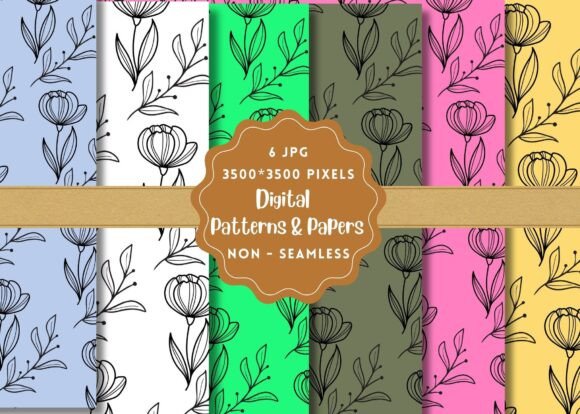
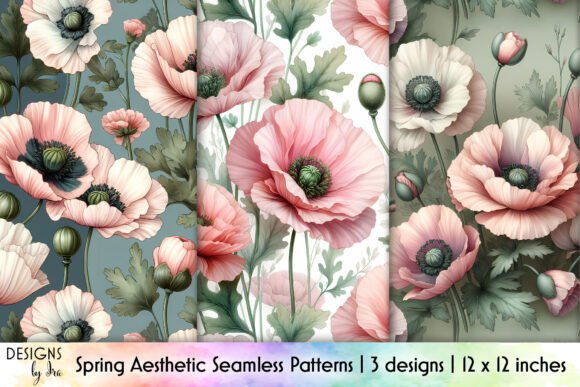
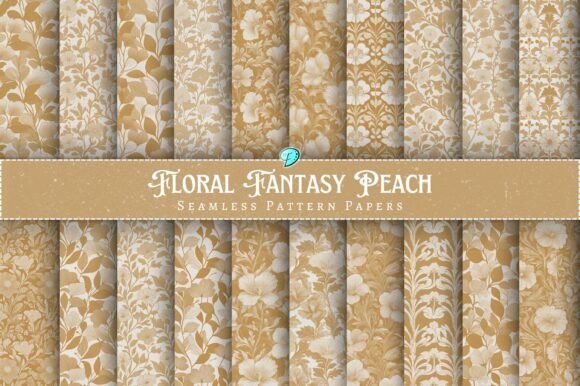
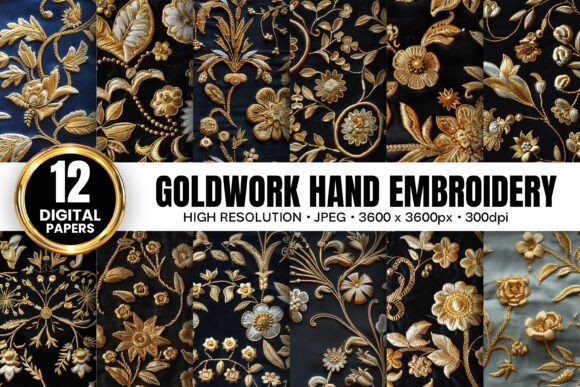
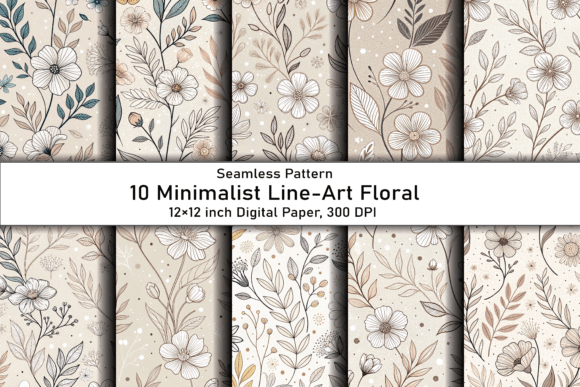
The specific collection of 10 Floral Digital Paper Patterns – Seamless Backgrounds provides a curated set of resources designed to enhance creative projects across multiple mediums. By combining the delicate nature of line art with the structural reliability of seamless tiling, this collection allows designers to maintain a cohesive visual identity while saving significant time on asset creation. For professionals and hobbyists alike, understanding how to leverage these patterns can transform the workflow from tedious background generation to streamlined, polished output.
The Strategic Value of Minimalist Aesthetics in Design
Why choose minimalist line art over complex, photorealistic floral imagery? The answer lies in versatility and focus. Complex patterns often compete with primary content, such as text or product photography, leading to visual clutter. In contrast, Minimalist Line-Art Floral Patterns act as a subtle backdrop that enhances rather than overwhelms. This approach is particularly effective in branding, where consistency and recognizability are paramount.
For entrepreneurs and small business owners, using these seamless designs ensures that marketing materials look professional and intentional. A clean, elegant background suggests attention to detail and quality, which can positively influence consumer perception. When used in email newsletters or blog headers, these patterns provide a consistent brand anchor without distracting the reader from the core message. The open space inherent in line-art designs allows typography to breathe, making it easier to communicate information clearly—a critical factor for educators, marketers, and bloggers seeking to engage their audience effectively.
Technical Specifications That Support Professional Workflows
One of the most significant advantages of this specific collection is its adherence to industry-standard technical requirements. Creative projects demand assets that are ready for immediate use, eliminating the need for extensive post-processing or resizing. This collection includes 10 High-Quality Digital Paper Patterns provided in both PNG and JPG formats, ensuring compatibility with a wide range of software applications, from Adobe Photoshop and Illustrator to Canva and Procreate.
The inclusion of both file types offers distinct benefits depending on the project’s needs. PNG files preserve transparency and sharpness, which is ideal for layering designs or creating stickers where edges must remain crisp. Meanwhile, the 300 DPI JPG files are optimized for high-resolution print production. This dual-format approach means that a designer can create a digital mockup using the PNG and then seamlessly transition to printing physical invitations or fabric swatches using the JPG, maintaining color fidelity and resolution throughout the process.
Furthermore, the dimensions of 12 x 12 inches (305 x 305 mm) or 3600 x 3600 pixels align perfectly with standard scrapbooking sizes and many commercial printing requirements. This eliminates the guesswork involved in calculating tile repeats or adjusting aspect ratios. For freelancers and agencies managing tight deadlines, having assets that are "print-ready" out of the box translates directly into increased efficiency and the ability to take on more projects without compromising quality.
Practical Applications Across Industries
The versatility of these seamless floral backgrounds extends far beyond traditional crafts. While they are undeniably perfect for scrapbooking, stationery, and planners, their application reaches into broader commercial sectors.
- Textile and Fashion Design: The seamless nature of these patterns makes them ideal for repeat prints on fabrics. Designers can scale the 3600-pixel images to fit various garment measurements without visible seams or distortions. The minimalist line art lends itself well to modern, bohemian, or contemporary fashion aesthetics, offering a fresh alternative to heavy, printed florals.
- Packaging and Gift Wrapping: For small business owners selling handmade goods, custom packaging is a powerful differentiator. Using these watermarked-free patterns allows businesses to create branded wrapping paper or tissue paper that feels premium and personalized. The elegant touch adds perceived value to the unboxing experience, encouraging customer loyalty and social sharing.
- Digital Marketing and Social Media: Content creators can utilize these backgrounds for Instagram story templates, Pinterest pins, or YouTube thumbnails. The clean lines ensure that overlay text remains legible, which is crucial for click-through rates. By rotating through the ten different patterns, creators can maintain visual variety in their feeds while keeping a unified aesthetic theme.
- Event Planning and Stationery: Weddings, baby showers, and corporate events often require large volumes of coordinated stationery. These digital papers simplify the creation of invites, place cards, menus, and thank-you notes. The instant download feature allows planners to make last-minute adjustments or produce additional copies quickly, providing flexibility in a fast-paced industry.
Considerations for Optimal Use
While Minimalist Line-Art Floral Patterns offer numerous benefits, successful implementation requires thoughtful consideration of context and execution. Not every design project calls for a patterned background. Overuse can lead to fatigue, so it is essential to apply these textures strategically—perhaps as a border, a header, or a subtle full-page background rather than overwhelming every element of a layout.
Color plays a pivotal role in how these patterns are perceived. Although the source files may be monochrome or single-toned, applying different color palettes can drastically change the mood of the design. Warm tones might evoke nostalgia and comfort, suitable for personal journals, while cool blues or greens can convey professionalism and calm, ideal for wellness brands or corporate reports. Creators should experiment with hue shifts and opacity levels to ensure the pattern complements, rather than clashes with, other design elements.
Additionally, users should be mindful of the scale of the pattern relative to the viewing distance. For web design, smaller screen sizes may render fine line details less distinctly, so testing the pattern at actual display resolutions is recommended. For print, the 300 DPI resolution ensures sharpness, but scaling down too much can cause the lines to become indistinguishable. Understanding these limitations helps in selecting the right pattern density for the intended medium.
Enhancing Creativity Through Instant Accessibility
The promise of an Instant Download addresses one of the biggest hurdles in creative work: friction. When inspiration strikes, the ability to immediately access high-quality assets allows creators to stay in the flow state. There is no waiting for shipping, no complicated licensing negotiations, and no risk of watermark interference in final drafts. This immediacy supports rapid prototyping and iteration, enabling designers to explore multiple concepts before settling on the best direction.
For educators and students, these resources can serve as excellent teaching tools. They demonstrate principles of repetition, alignment, and negative space in a tangible way. Students learning graphic design can analyze how the line weight affects visual hierarchy, or how seamless tiling works technically. Hobbyists and DIY enthusiasts find empowerment in being able to produce professional-grade results at home, turning simple ideas into polished products.
Ultimately, the value of this collection lies not just in the images themselves, but in the freedom they provide. By removing the burden of creating complex floral motifs from scratch, designers can redirect their energy toward composition, messaging, and strategy. Minimalist Line-Art Floral Patterns are more than decorative elements; they are foundational components that support a cleaner, more efficient, and more elegant creative process. Whether you are a seasoned professional looking to streamline your workflow or a beginner eager to produce stunning visuals, these seamless backgrounds offer a reliable, beautiful starting point for your next masterpiece.